 What hazards are associated with aluminum wiring in buildings constructed between 1965 and 1973?
August 7, 2026
by Nils Deacon, Manager, Inspections and Rating Services
Aluminum branch circuit wiring was commonly installed in residential and commercial properties between 1965 and 1973 as a cost-effective alternative to copper. Solid aluminum branch wiring has been associated with an increased risk of overheating and fire when connections degrade over time.
Electrical branch wiring refers to the final branch of wires from the electrical panel box to outlets in the building.
The Consumer Product Safety Commission (CPSC) estimated a significant percentage of electrical hazard for these installations that reached fire hazard conditions in 1973.
Fire risk was at the terminations and connections. Aluminum expands and contracts more than copper during normal electrical loading. Over time, this movement can loosen connections at receptacles, switches, and splices, creating increased electrical resistance and heat buildup.
Aluminum is more susceptible to oxidation when it is exposed to air and connected to other materials, which can further increase resistance at connection points.
The CPSC estimated that between 1.5 and 2 million homes had aluminum branch circuit wiring installed. This would equate to approximately 10% of residences during that period. (U.S. Census)
No definitive count of commercial buildings with this wiring was determined. However, a significant number was indicated based on construction figures from that time. These commercial buildings would be primarily low-rise offices, retail strip malls, apartment common area systems, and small institutional buildings. They used more light-moderate 15A-20A branch circuits as opposed to larger industrial buildings.
Effective remediation measures for existing installations were developed by various organizations including Underwriters Lab, CPSC, the National Electrical Code (NEC), and wiring manufacturers. Current safe practices were developed for new construction after that time.
No definitive numbers of fires caused by non-remediated aluminum wire installations is available, but it is an important factor to be aware of for insurance underwriting of older buildings.
DISCLAIMER: This information reflects the interpretation of MSO, Inc. with regard to NFPA Standards and Codes and other code sources. It does not represent these codes’ official position on the items discussed.
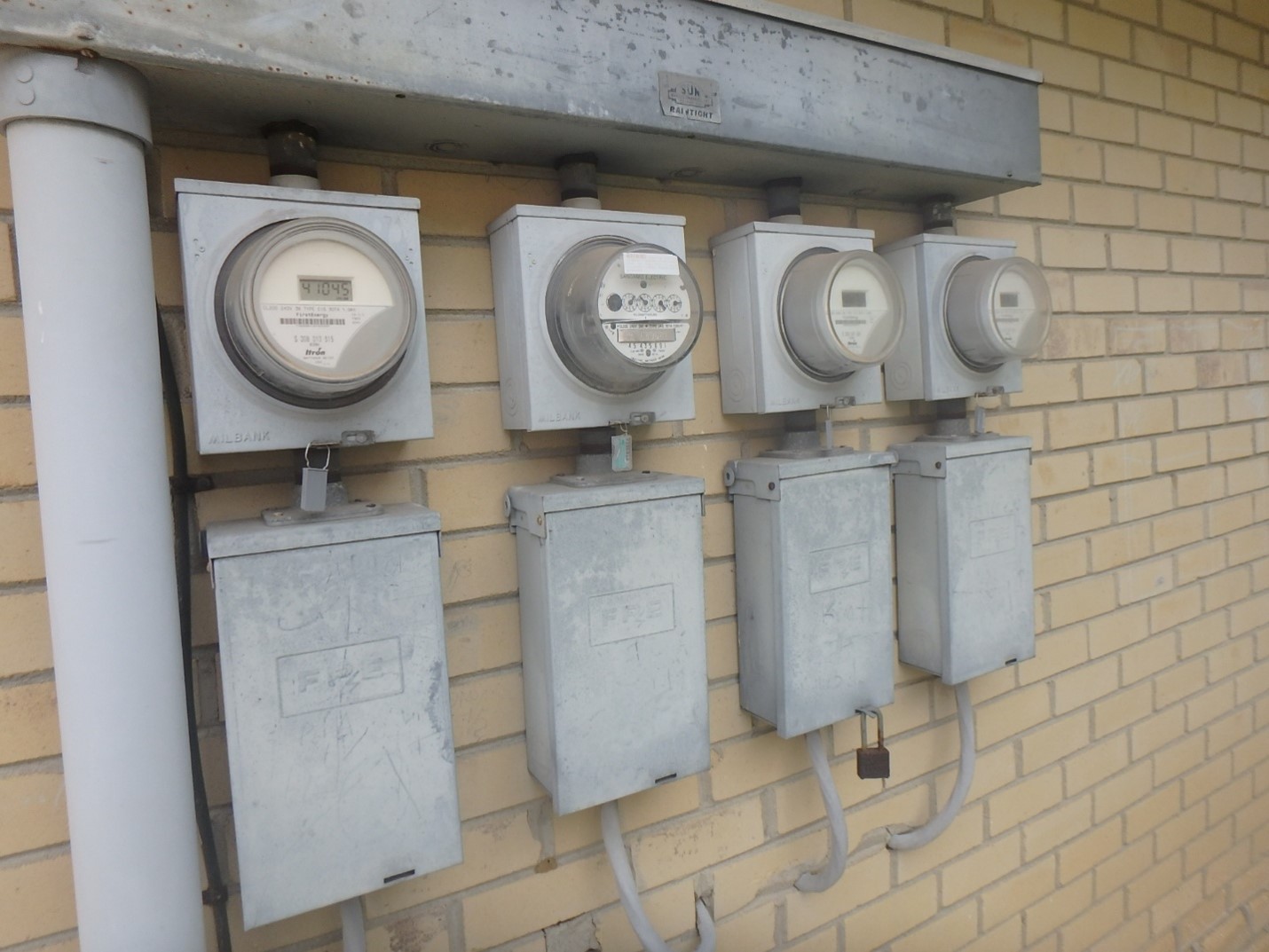
Remediated aluminum wiring electrical service boxes for apartments