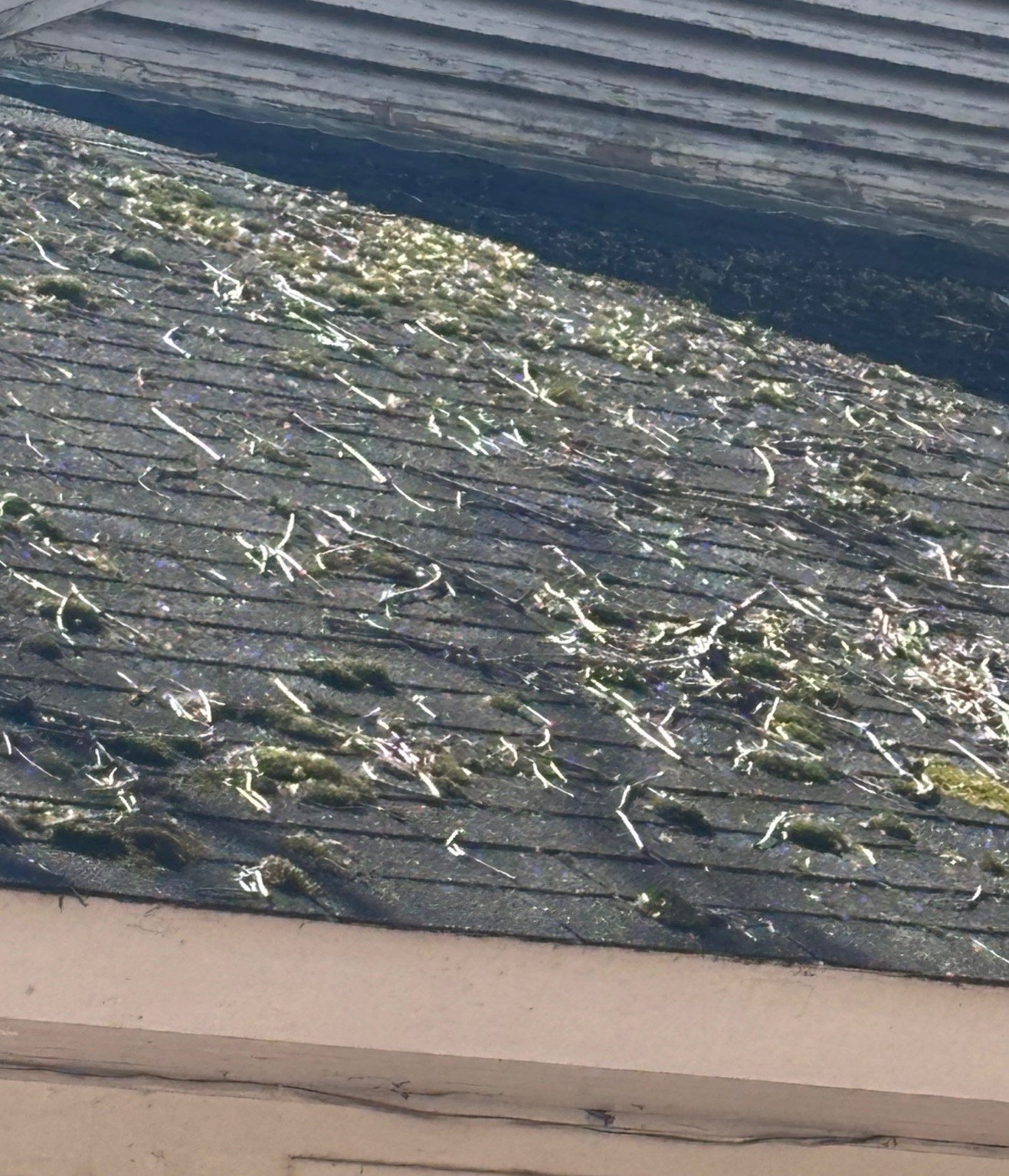
 How does the IPMC and other codes address various roof maintenance issues?
April 1, 2026
by Nils Deacon, Manager, Inspections and Rating Services
The International Property Maintenance Code – IPMC is used as a guide by stakeholders in the roofing industry when performing roof inspections.
This is a valuable tool that can be used to mitigate roof damage and losses that affect the insurance industry.
Various sections of the code address issues like moss and debris buildup on roofs. Roof drains, gutters, and downspouts must be maintained in good repair and kept free from obstructions.
As moss grows, its root-like structures can creep under shingles, causing them to lift, curl, or break. This compromises the watertight seal and creates entry points for leaks into the building interior.
Moss acts like a sponge, trapping and holding water against the roofing material. This constant dampness leads to shingle decay, wood rot in the substrate (decking), and growth of mold and bacteria.
This condition can trigger other code requirements. The IBC (International Building Code) prohibits installing a new roof covering over water-soaked shingles and substrate.
If the roof is water-soaked, the code requires a roof replacement instead of a 2nd layer (also known as recovery). This involves removing all existing layers down to the roof deck to ensure the new installation is on a structurally sound, dry substrate.
It is important that clear, specific code language is available to help eliminate fraudulent roof inspections and claims.
DISCLAIMER: This information reflects the interpretation of MSO, Inc. with regard to NFPA Standards and Codes and other code sources. It does not represent these codes’ official position on the items discussed.
Moss and debris on a roof