 What are key components of roofing assemblies?
December 23, 2025
by Nils Deacon, Manager, Inspections and Rating Services
A roofing assembly is a complete system of interlocking layers providing weather protection and in many cases fire resistance to the elements. It includes the roof deck structure, a vapor barrier or retarder, thermal barrier, insulation, underlayment, and roof covering. These elements are often described as a sandwich of protection. IBC
Roof coverings include:
The most common, asphalt shingles, provide waterproofing and fire resistance. They are quick to install and can require less maintenance than other roofing options. Longevity is limited – approximately 15 to 20 years on average.
Metal roofing provides similar benefits, especially fire resistance. Durability is a key component, with metal roof life expectancy between 40 and 70 years.
Slate, clay tiles, and concrete shingles often exceed the fire resistance and durability of metal and asphalt shingles, with lifespans like or greater than metal roofing. However, these types are expensive and used less often.
Built up roofing is multiple layers of bitumen (a type of asphalt). It is often used in larger, usually commercial applications, and has a lifespan of 20 years or more.
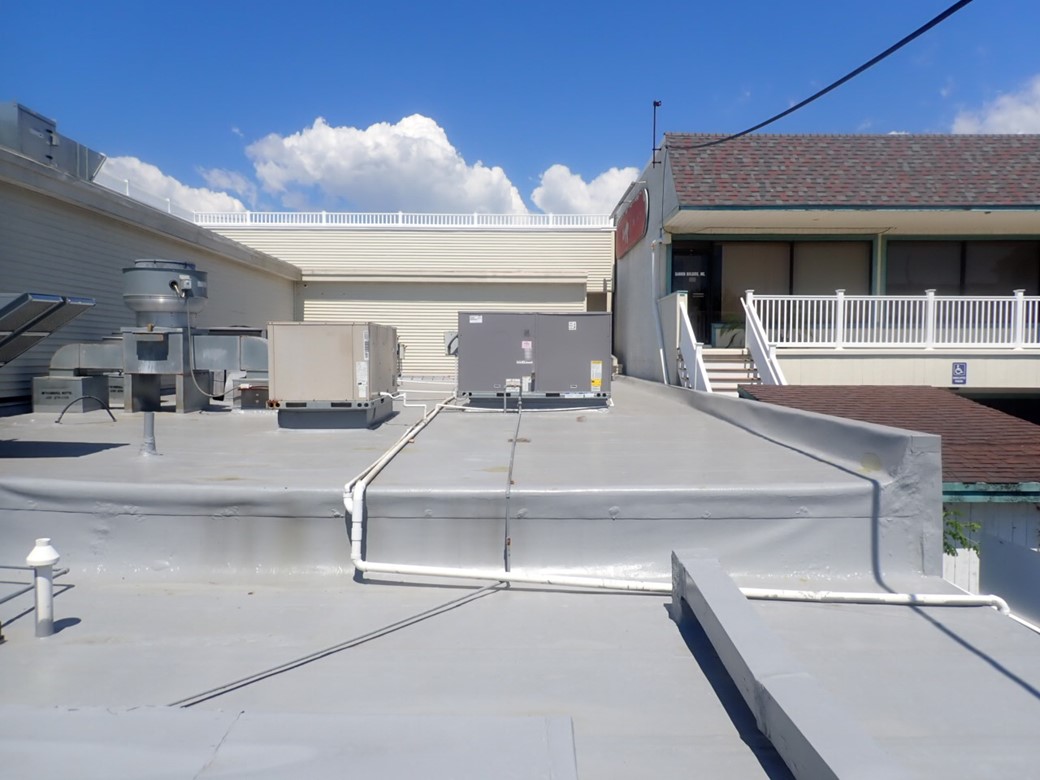
Membrane are single ply bitumen systems with strong waterproofing properties and good lifespans.
DISCLAIMER: This information reflects the interpretation of MSO, Inc. with regard to NFPA Standards and Codes and other code sources. It does not represent these codes’ official position on the items discussed.
Single ply membrane roofing